The summer release season is officially underway at Centripetal Force.
On June 15, preorders open for two highly anticipated new albums, both arriving July 17 as part of the label's ongoing Centripetal Summer campaign: Prairiewolf's Zone Poems and Kevin Coleman's KC Blues.
Though vastly different in approach, both records capture artists operating from a place of deep personal vision, pushing beyond familiar boundaries while remaining grounded in the traditions and communities that shaped them.
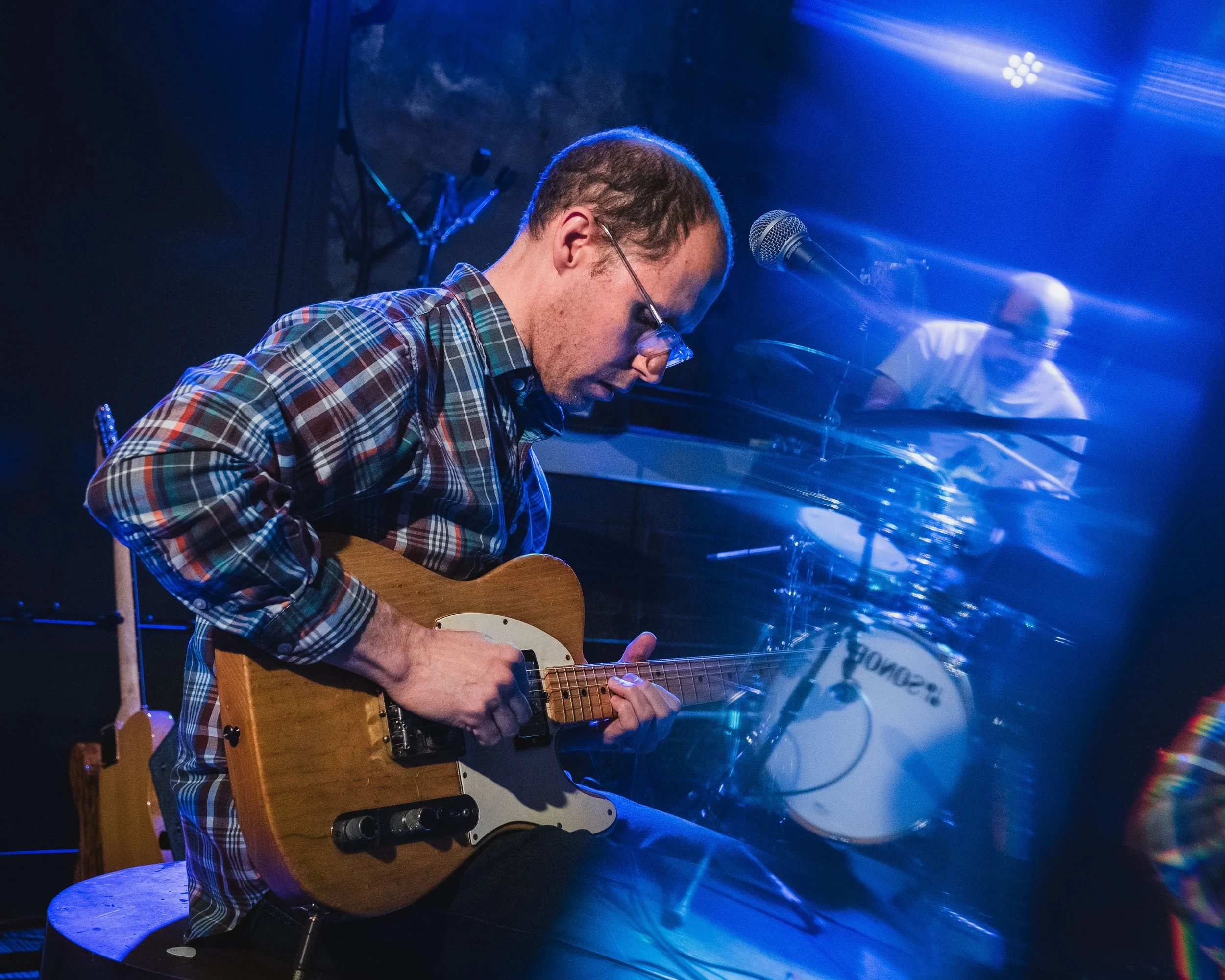
Prairiewolf — Zone Poems
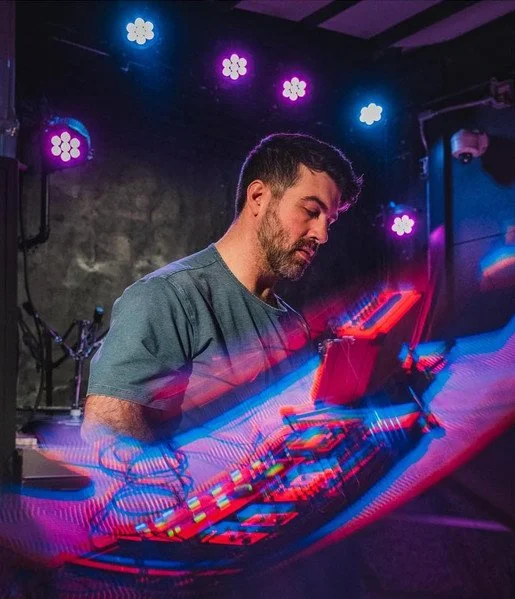
Prairiewolf return with Zone Poems, a sprawling and immersive collection that blurs the lines between live performance, studio construction, memory, and dream.
Built from recordings captured across Colorado during 2025, Zone Poems began as a set of new, evolving compositions performed on stages in the Sangre de Cristo Mountains and along the Front Range. Drawn from standout performances at Cloud Station in Crestone and Glob in Denver, the material was subsequently sliced, spliced, layered, overdubbed, and reimagined into something altogether new.
Described by novelist Jonathan Lethem as "an invitation into someone else's dream," the album occupies a liminal space between document and invention. What began as live recordings became a collage of shifting versions, preserving the spirit of songs that never existed in a fixed form.
At its core, Zone Poems captures the deeper reaches of a Prairiewolf performance, those moments when time seems to slow and familiar terrain gives way to unexpected vistas.
The album will be available on vinyl, digital download, and a deluxe 2CD edition. Physical editions also include Early Zones, a collection of demos, exploratory jams, and embryonic versions that traces the album's evolution from its earliest sketches to its final form.
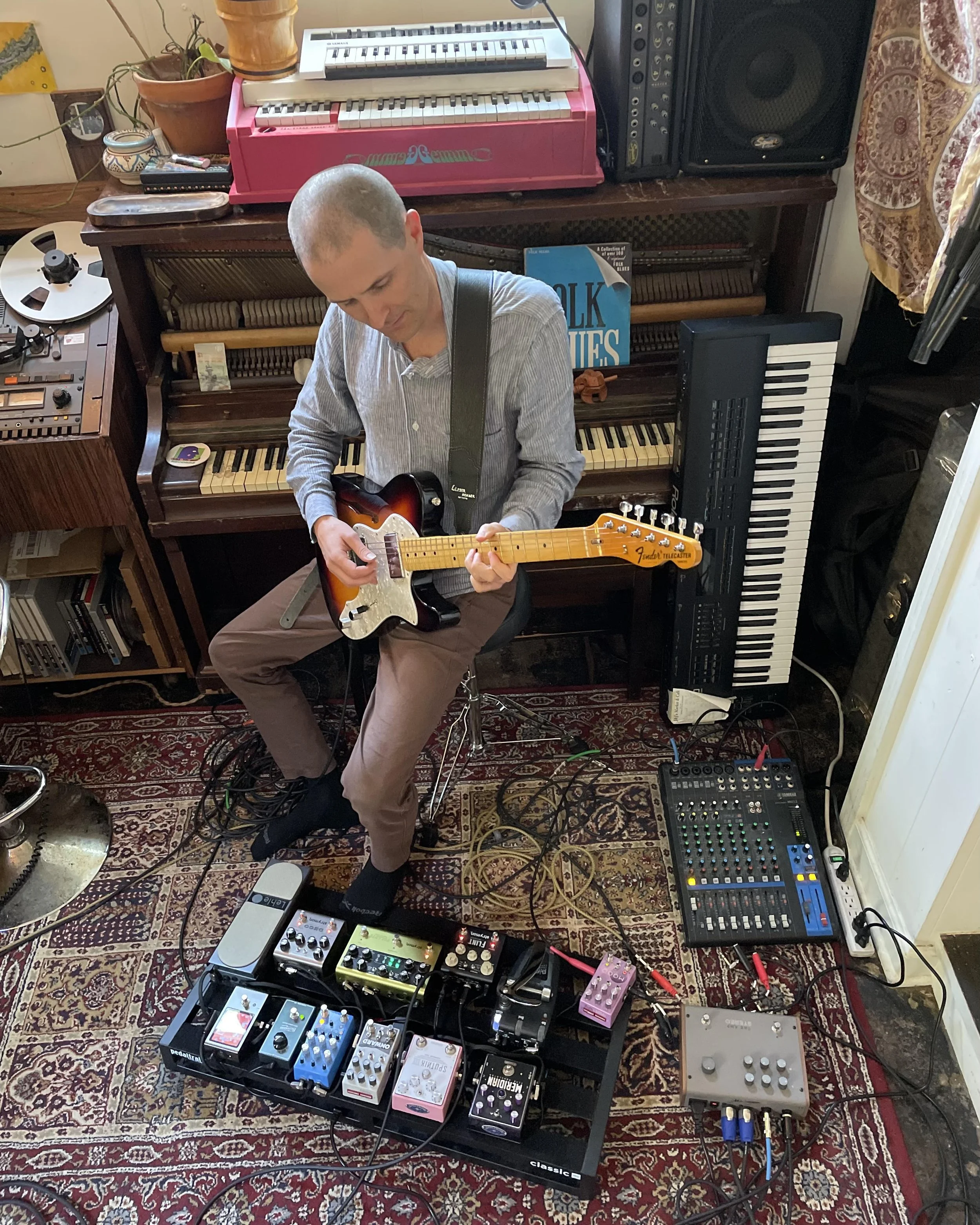
Kevin Coleman — KC Blues
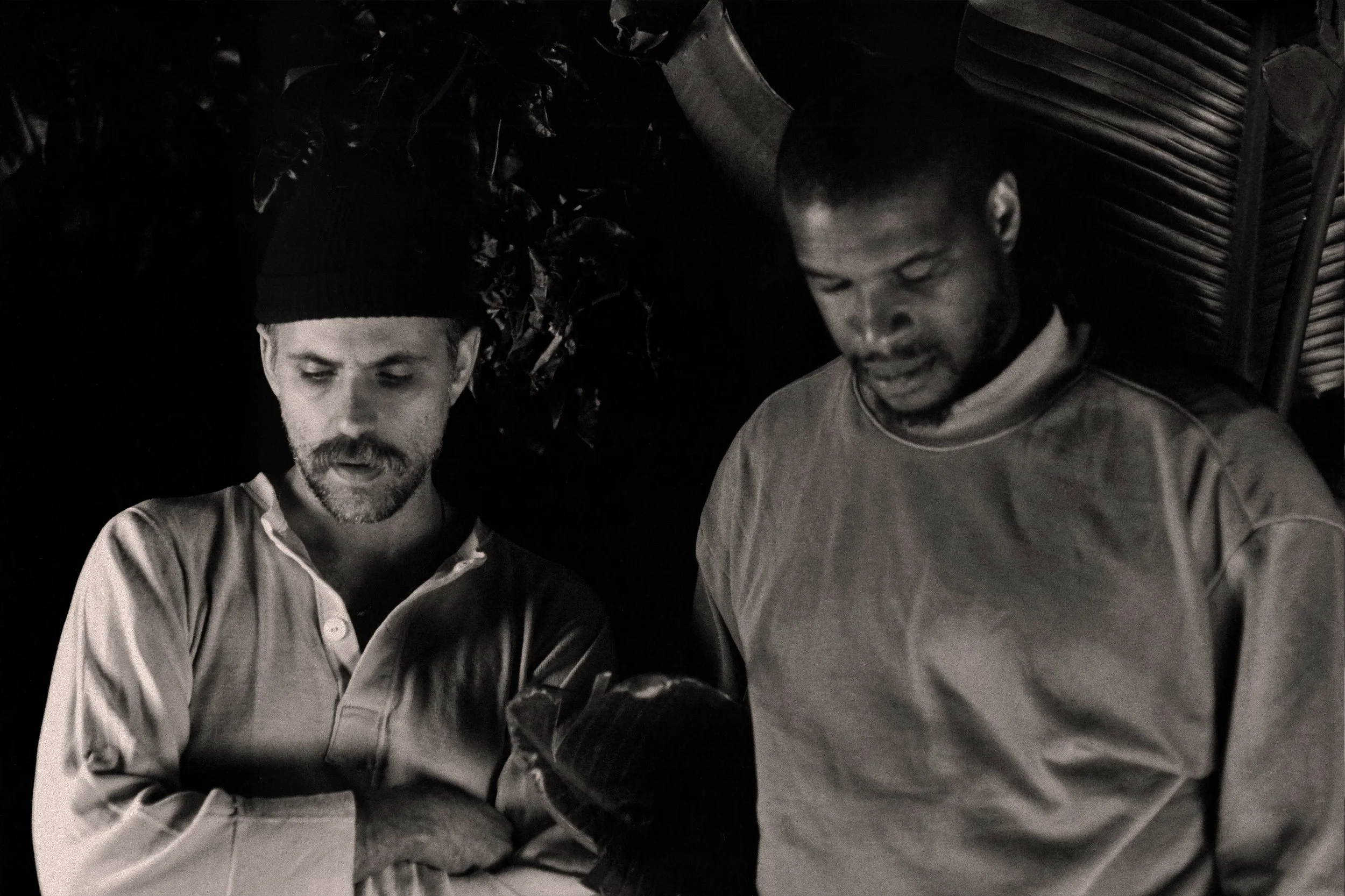
Nashville musician Kevin Coleman follows his acclaimed 2024 release Imaginary Conversations with KC Blues, a deeply personal and expansive work that finds inspiration in place, memory, and the transformative power of travel.
KC Blues began as a response to the political and cultural currents of 2024. Drawing inspiration from interwar European history and its parallels to present-day America, Coleman initially set out to explore themes of social upheaval and instability. Over time, the project evolved into something more personal. The resulting album channels feelings of disorientation, weariness, and uncertainty, not through direct political statements, but through intimate and deeply human songs.
The songs move effortlessly between intimate reflection and wide-open exploration, guided by Coleman's thoughtful songwriting and unmistakable sense of curiosity. While rooted in the traditions of American music, KC Blues is ultimately concerned with movement, connection, and discovery, finding new pathways through familiar landscapes.
Like much of Coleman's work, the album rewards repeated listening, revealing subtle details and emotional depth with each return.
Centripetal Summer
Zone Poems and KC Blues launch the latest chapter of Centripetal Force's summer release schedule, a season that celebrates adventurous artists working beyond conventional boundaries while remaining deeply connected to community, craft, and artistic exploration.
Both albums will be available for preorder beginning June 15 and will be released worldwide on July 17. Preorder at centripetalforcerecords.bandcamp.com.